Shield and Enhance Your Deck: Expert Deck Staining Services You Can Trust
When it comes to maintaining a deck, expert deck staining provide a dependable solution. These experts understand the nuances of different wood types and local climates, guaranteeing ideal aesthetics and protection. By choosing skilled professionals, homeowners can avoid common pitfalls and conserve precious time. However, selecting the appropriate service can be daunting. Understanding what to seek out is essential to achieving lasting results. The path to a gorgeously finished deck starts here.
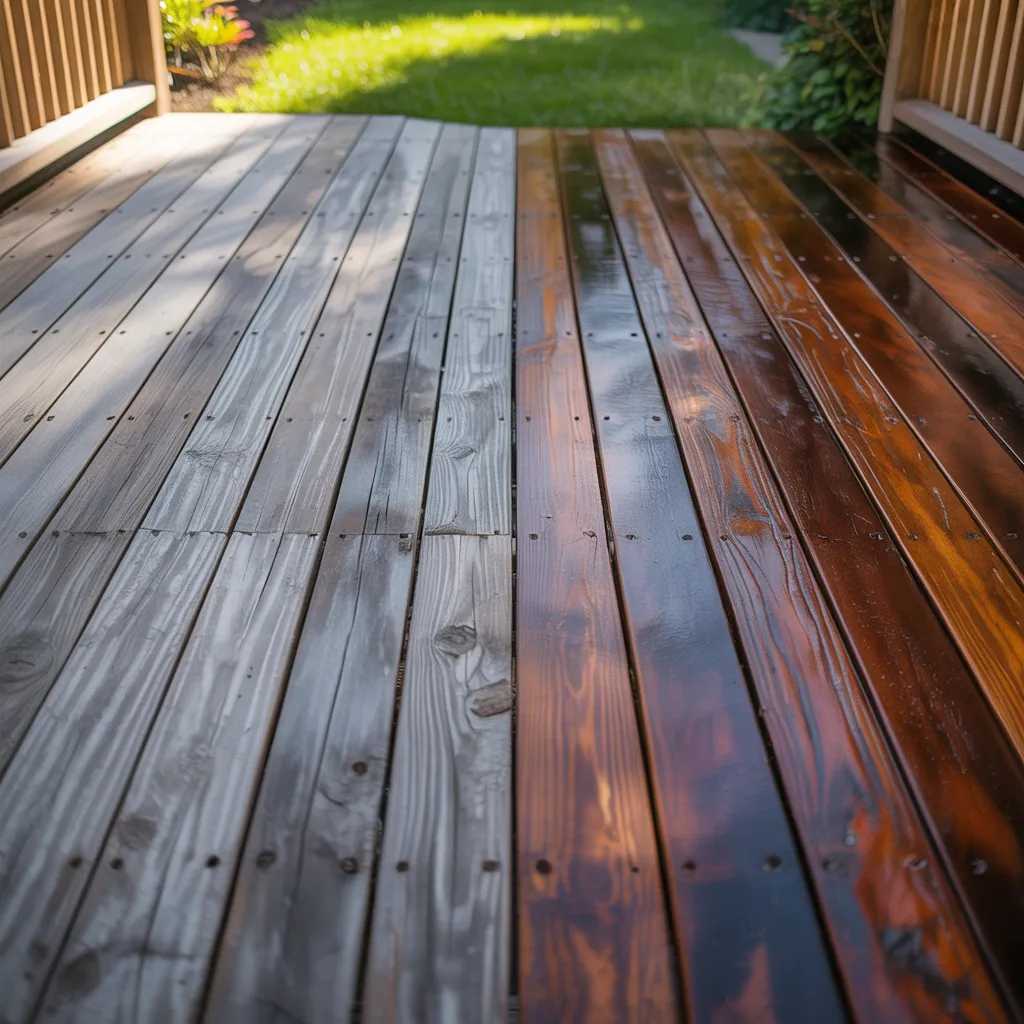
Reasons to Bring in Experienced Specialists for Your Deck Treatment
When thinking about deck staining, homeowners often miss the advantages of employing professionals. Working with experts guarantees a superior finish, as they have the required skills and expertise to handle various wood types and conditions. Professionals comprehend the complexities of choosing the right stain, considering factors like wood porosity and local climate. Furthermore, they utilize professional equipment and equipment that make the process faster and successful.
In addition, trained experts can free up homeowners time and energy, enabling them to prioritize other essential tasks. They are also skilled in safety standards, curtailing the potential for injuries during the application process. By retaining professionals, homeowners can accomplish enduring benefits that strengthen their deck's aesthetic and durability. Ultimately, the financial commitment in professional services can produce a stunningly stained deck that not only presents itself appealingly but also offers protection against the elements for years to come.
Circumvent These Usual Deck Staining Problems Before You Start
Many residents make critical mistakes in the process of deck staining, often resulting in unsatisfactory examine now outcomes. One frequent oversight is neglecting proper surface preparation. Failure to clean the deck thoroughly can trap dirt and debris, hindering the stain from adhering effectively. Another common issue is selecting the wrong type of stain; choosing an oil-based stain on a surface that requires a water-based product can cause peeling and patchy coverage. Moreover, staining in direct sunlight is a bad idea, as it may cause the stain to dry too fast, resulting in blotchy patches. Many people miss the importance of applying multiple thin coats instead of a single thick coat, which can reduce durability. Lastly, insufficient drying time between coats may lead to problems with the finish’s integrity. By steering clear of these errors, homeowners can attain a more effective and long-lasting deck staining job.
Things to Know About Staining a Deck
When contemplating deck staining, individuals can anticipate a thorough preparation process that involves surface cleaning to ensure ideal results. Following this, the staining process requires applying the chosen product evenly for a durable finish. Understanding these steps can help set realistic expectations for the project.
Getting Ready and Surface Sanitation
Preparing a deck for finishing involves a thorough cleaning process that ensures ideal durability and performance of the stain. This initial step typically includes removing dirt, debris, and any existing finish through pressure washing or manual scrubbing. Professionals may use professional-grade cleaners to eliminate mildew, algae, and other contaminants that could hinder the staining process. It's essential that the surface is dry before applying the stain to ensure proper absorption. Additionally, any damaged boards or loose nails should be repaired to avoid complications later. After cleaning, a final inspection is conducted to confirm that the surface is ready for staining, preparing the foundation for a successful application that improves the deck's appearance and protection.
Understanding the Staining Procedure
The deck stain application process unfolds through a series of clearly established steps that guarantee a seamless and effective application. Initially, the professional team inspects the deck for any deterioration or areas requiring repair. After confirming the surface is spotless and dry, they select a high-quality stain suited to the wood type and desired finish. Application begins with edging, followed by brushing or spraying the stain evenly across the deck boards. Care is taken to avoid puddling and guarantee consistent coverage. Once the first coat dries, a second coat may be applied for improved protection and color depth. Finally, the team provides guidance on drying times and maintenance, ensuring the deck remains attractive and well-protected for years to come.
How to Select the Right Deck Staining Company for You
Choosing a suitable deck stain company can seem overwhelming, particularly when numerous choices exist. To make an informed decision, homeowners should begin by exploring local firms and examining customer opinions. A credible provider will possess a collection showcasing their previous work, allowing potential clients to gauge quality and style.
Moving forward, it's critical to question regarding the types of stains and sealants employed, as well as the application methods applied. This ensures that the selected service corresponds with the homeowner's preferences for durability and aesthetics. In addition, securing multiple estimates can provide insight into pricing and value.
Finally, assess the company's background and whether they deliver guarantees for their work. Picking a service with a solid standing and clear correspondence will ultimately lead to a more satisfying deck staining experience. By following these steps, homeowners can confidently choose a service that meets their needs and enhances their outdoor space.
The Notable Benefits of Opting for High-Quality Stains and Sealants
Allocating funds towards exceptional stains and sealants can greatly boost the lifespan and look of a deck. These top-notch products deliver crucial protection from moisture, UV rays, and temperature shifts, which can cause wood bending and decay over time. By establishing a strong barrier, premium stains and sealants aid in preventing mold and mildew growth, guaranteeing a neater surface that is simpler to maintain.
Furthermore, premium stains commonly feature pigments that elevate the wood's natural beauty, enriching colors and highlighting grain patterns. This not only improves the visual appeal but also adds value to the property. Quality materials usually deliver better adherence and longer-lasting results, minimizing the frequency of reapplication. Ultimately, choosing these excellent options can produce considerable long-term savings in maintenance expenditures while preserving the deck's structural integrity and aesthetic charm. Contributing in quality is a prudent choice for any homeowner looking to defend their outdoor space.
How Regularly Should You Re-Stain Your Deck?
How regularly should property owners consider re-staining their decks? Typically, it is advisable to re-stain a deck every two to three years, though multiple factors can affect this timeline. The wood species, weather patterns, and the quality of the stain used all are important in determining the required frequency. In areas with harsh weather, such as intense sun or heavy rain, re-staining may be required more frequently to safeguard the wood from damage. Homeowners should also keep an eye out for signs of wear, such as color fading or water absorption, which show that the protective layer has diminished. Routine inspections can help in evaluating these conditions, ensuring that the deck remains in peak shape. Ultimately, being proactive about re-staining can prolong the life of the deck and preserve its visual beauty, making it a worthwhile investment for homeowners.
Guidelines for Maintaining Your Newly Stained Deck Appearance Remaining Fantastic
To guarantee a newly stained deck keeps its beauty and durability, homeowners should implement a few critical care practices. Regular maintenance is vital; using a leaf blower or broom to remove debris stops mold and mildew buildup. A gentle cleaning with water with soap can eliminate dirt without affecting the stain.
Homeowners should also avoid using strong chemical cleaners, as these can damage the coating. Instead, choosing a neutral cleaner will preserve the stained finish.
Additionally, positioning mats at entrances minimizes dirt and water tracked onto the deck. This simple step can significantly extend the life of the stain.
Ultimately, frequent evaluations for marks of damage or color loss make possible quick maintenance, confirming the deck remains vibrant and well-protected. By adhering to these guidelines, homeowners can savor a gorgeous and strong deck for the foreseeable future.
Regularly Asked Questions
What is the Average Timeframe for Outdoor Deck Stain Treatment Finishing?
Deck staining typically takes one to two days to accomplish, affected by the deck dimensions and weather factors. Proper preparation and sufficient drying time are essential for achieving ideal results and durability of the stain.
Is It Possible to Stain My Deck After It Rains?
Applying stain to a deck right after rain is not recommended. Surfaces should be completely dry to guarantee adequate bonding and penetration of the stain, generally necessitating a pause of 24 to 48 hours after rainfall.
What Planning Is Needed Before Staining My Deck?
Before staining a deck, one should thoroughly clean it, ensuring all dirt and debris are eliminated. Let the surface to completely dry and examine for damage or loose boards that may need repair.
What environmentally safe finishing choices are accessible?
Yes, several environmentally friendly staining options exist, including water-based stains and those derived from natural oils. These products reduce harmful chemicals, making them safer for the environment while successfully protecting and enhancing the deck's appearance.
Does Coating My Deck Stop Fungal Growth and Moisture-Related Fungi?
Applying stain to a deck can significantly decrease the chance of fungal growth by creating a defensive shield against moisture. This barrier maintains the wood dry, discouraging the proliferation of unwanted fungi and guaranteeing durability.